





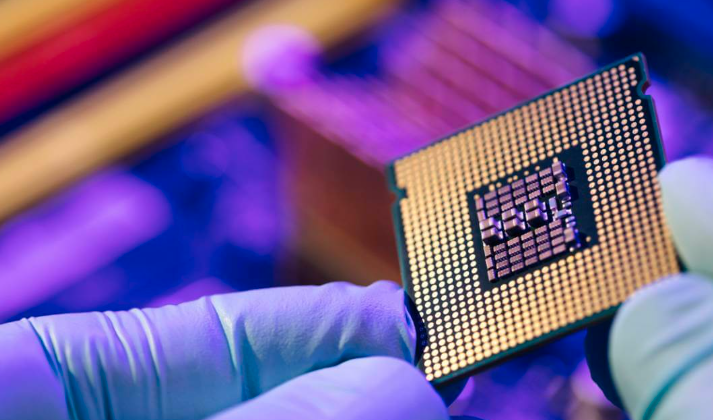
Introduction to SPP Process Technology Systems
The semiconductor industry relies on highly specialized equipment to manufacture the chips and electronic components that power modern technology. Among the companies that have contributed significantly to this field is SPP Process Technology Systems. Known for its advanced wafer processing and semiconductor manufacturing equipment, the company has played an important role in helping manufacturers create increasingly powerful and compact electronic devices.
Today, semiconductor chips are found everywhere, from smartphones and computers to medical equipment, automobiles, industrial machinery, and telecommunications systems. Producing these sophisticated components requires precise manufacturing processes, and this is where SPP Process Technology Systems became an important industry participant.
This article explores the history, technologies, products, applications, and industry impact of SPP Process Technology Systems while explaining why its innovations remain relevant in modern semiconductor manufacturing.
What Is SPP Process Technology Systems?
SPP Process Technology Systems was a semiconductor equipment company specializing in advanced wafer processing solutions. The company focused on developing technologies that help manufacturers etch, deposit, and process materials used in semiconductor fabrication.
The organization was formed through the combination of semiconductor processing expertise from multiple technology businesses. Over time, it became recognized for delivering equipment that supported the production of microelectromechanical systems (MEMS), power semiconductors, radio frequency devices, LEDs, and advanced packaging solutions.
The company eventually evolved into what became known as SPTS Technologies, a name that remains familiar within the semiconductor equipment industry.
History and Development of SPP Process Technology Systems
Early Foundations
The roots of SPP Process Technology Systems can be traced to organizations specializing in semiconductor processing equipment. These companies developed technologies designed to improve wafer fabrication efficiency and precision.
As semiconductor devices became more complex, manufacturers required more advanced tools capable of handling increasingly demanding production requirements.
Company Formation
SPP Process Technology Systems emerged through strategic acquisitions and business restructuring efforts. The objective was to create a stronger organization capable of serving the growing semiconductor market.
By combining expertise in etching, deposition, and thermal processing technologies, the company expanded its capabilities and market reach.
Major Milestones
Several developments helped establish the company’s reputation:
- Expansion into MEMS manufacturing solutions
- Development of advanced DRIE systems
- Growth in global semiconductor markets
- Support for next-generation packaging technologies
- Increased focus on research and innovation
Transition to SPTS Technologies
One of the most significant moments in the company’s history was its transition into SPTS Technologies. This rebranding reflected its evolving business strategy and commitment to semiconductor innovation.
Growth in Global Markets
As demand for semiconductors increased worldwide, SPP Process Technology Systems expanded its customer base across multiple regions, serving manufacturers in Asia, Europe, and North America.
Core Business Areas of SPP Process Technology Systems
The primary focus of SPP Process Technology Systems centered on delivering equipment and solutions that supported semiconductor manufacturing.
Its business activities included:
| Business Area | Description |
|---|---|
| Semiconductor Equipment | Manufacturing advanced processing systems |
| MEMS Solutions | Supporting sensor and micro-device production |
| Advanced Packaging | Enabling next-generation chip packaging |
| Research Support | Providing tools for innovation and development |
| Process Engineering | Improving fabrication efficiency |
The company’s technologies helped manufacturers achieve greater precision, higher yields, and improved production consistency.
Key Technologies Offered by SPP Process Technology Systems
Deep Reactive Ion Etching (DRIE)
DRIE technology became one of the most recognized offerings associated with SPP Process Technology Systems.
This process enables the creation of deep, narrow structures within silicon wafers. Such structures are essential for manufacturing MEMS devices, sensors, and advanced semiconductor components.
Plasma Etching Technology
Plasma etching removes specific materials from semiconductor wafers with exceptional accuracy. The process allows engineers to create microscopic patterns required for integrated circuits.
PECVD Systems
Plasma Enhanced Chemical Vapor Deposition (PECVD) systems deposit thin films onto semiconductor surfaces.
These thin films serve important functions such as insulation, protection, and electrical conductivity.
Thermal Processing Equipment
Thermal processing systems expose wafers to carefully controlled temperatures to alter material properties and improve device performance.
Wafer-Level Packaging Solutions
Modern electronics require smaller and more powerful chips. Wafer-level packaging technologies help manufacturers meet these requirements while reducing production costs.
Understanding Semiconductor Manufacturing Processes
Semiconductor manufacturing involves multiple highly precise stages.
The process generally includes:
- Wafer preparation
- Material deposition
- Photolithography
- Etching
- Thermal treatment
- Packaging
- Testing
SPP Process Technology Systems contributed equipment that supported several of these stages, particularly etching, deposition, and thermal processing.
Without such technologies, producing modern microchips would be extremely difficult.
Main Products and Equipment Portfolio
The company’s product lineup addressed numerous semiconductor fabrication requirements.
| Product Category | Purpose | Typical Applications |
|---|---|---|
| DRIE Systems | Deep silicon etching | MEMS, sensors |
| PECVD Systems | Thin-film deposition | Semiconductor fabrication |
| Plasma Etchers | Precision material removal | Integrated circuits |
| Thermal Systems | Heat processing | Wafer treatment |
| Packaging Equipment | Chip packaging support | Advanced electronics |
Each product category helped manufacturers improve production quality and process efficiency.
Applications of SPP Process Technology Systems
The technologies developed by SPP Process Technology Systems found applications across various semiconductor sectors.
MEMS Manufacturing
MEMS devices contain miniature mechanical and electronic components integrated onto a single chip.
Examples include:
- Accelerometers
- Pressure sensors
- Gyroscopes
- Microphones
Power Semiconductor Production
Power semiconductors control and convert electrical energy. These components are increasingly important in renewable energy systems and electric vehicles.
RF Device Manufacturing
Radio frequency devices support wireless communication systems, including smartphones and networking equipment.
LED Fabrication
LED production requires specialized semiconductor processing technologies that ensure efficiency and reliability.
Sensor Technologies
Many modern sensors rely on precise etching and deposition processes provided by advanced semiconductor equipment.
Advanced Packaging
Advanced packaging allows manufacturers to improve performance while reducing device size.
Industries Served by SPP Process Technology Systems
The influence of SPP Process Technology Systems extended beyond semiconductor fabrication plants.
Several industries benefited from its technologies.
Consumer Electronics
Smartphones, tablets, laptops, and wearable devices all depend on semiconductor components.
Automotive Industry
Modern vehicles contain dozens of electronic control systems requiring advanced semiconductor technologies.
Telecommunications
5G networks and communication infrastructure rely heavily on high-performance semiconductor devices.
Industrial Automation
Factories increasingly use sensors and smart control systems enabled by semiconductor innovation.
Aerospace and Defense
Highly reliable semiconductor components are critical in aerospace and defense applications.
Medical Device Manufacturing
Advanced medical equipment uses sophisticated semiconductor technologies for monitoring, imaging, and diagnostics.
Benefits of Using SPP Process Technology Systems
Manufacturers choose advanced semiconductor equipment because it offers numerous advantages.
Key benefits include:
- High process precision
- Improved manufacturing consistency
- Better production yields
- Enhanced scalability
- Reduced operational inefficiencies
- Support for advanced semiconductor architectures
These advantages contribute directly to product quality and manufacturing competitiveness.
Role of SPP Process Technology Systems in MEMS Production
MEMS technology represents one of the most important application areas for SPP Process Technology Systems.
MEMS devices combine mechanical structures with electronic circuits on a microscopic scale.
The company’s DRIE technology enabled the creation of deep silicon structures necessary for MEMS manufacturing.
Common MEMS products include:
- Smartphone motion sensors
- Automotive safety sensors
- Medical monitoring devices
- Industrial measurement systems
The continued growth of smart devices has increased demand for MEMS manufacturing solutions.
Contribution to Semiconductor Innovation
Innovation remains essential within the semiconductor industry.
SPP Process Technology Systems contributed to innovation by helping manufacturers:
- Create smaller semiconductor structures
- Improve chip performance
- Increase production yields
- Develop advanced packaging solutions
- Support emerging semiconductor applications
Its equipment enabled engineers to push technological boundaries and develop more capable electronic devices.
Global Presence and Market Impact
The influence of SPP Process Technology Systems extended across major semiconductor manufacturing regions.
The company established relationships with customers involved in:
- Research institutions
- Semiconductor foundries
- Integrated device manufacturers
- Technology development centers
Its reputation for reliability and innovation helped strengthen its position within the semiconductor equipment market.
Comparison with Other Semiconductor Equipment Providers
The semiconductor equipment industry contains many specialized manufacturers.
The following table highlights general comparisons.
| Feature | SPP Process Technology Systems | Other Equipment Providers |
|---|---|---|
| DRIE Expertise | Strong | Varies |
| MEMS Focus | High | Moderate |
| Packaging Support | Strong | Varies |
| Process Innovation | High | Varies |
| Specialized Applications | Extensive | Depends on Provider |
The company’s specialized expertise in etching and deposition technologies helped distinguish it from competitors.
Challenges in Semiconductor Manufacturing
Despite significant advancements, semiconductor manufacturing continues to face several challenges.
These include:
Increasing Device Complexity
Modern chips contain billions of transistors, requiring highly precise fabrication methods.
Rising Costs
Advanced semiconductor facilities require substantial investments.
Yield Optimization
Manufacturers constantly seek ways to reduce defects and improve production efficiency.
Supply Chain Management
Global supply chains influence equipment availability and production schedules.
Continuous Innovation
The industry must continuously develop new technologies to keep pace with evolving demands.
Future Trends and Opportunities
The future of semiconductor manufacturing remains promising.
Several emerging trends may create new opportunities.
AI Chip Manufacturing
Artificial intelligence applications require increasingly powerful semiconductor devices.
Advanced MEMS Applications
Smart devices, robotics, and healthcare technologies continue driving MEMS demand.
Electric Vehicle Growth
Electric vehicles require large quantities of power semiconductors.
3D Packaging Technologies
Three-dimensional packaging techniques improve performance while reducing chip size.
Next-Generation Sensors
Future sensors will support applications in healthcare, automation, transportation, and environmental monitoring.
Why SPP Process Technology Systems Remains Relevant
Even as semiconductor technology evolves, the contributions of SPP Process Technology Systems continue to influence modern manufacturing.
The company’s strengths include:
- Specialized engineering expertise
- Advanced etching technologies
- Strong MEMS manufacturing support
- Commitment to innovation
- Proven industry experience
These qualities helped establish a lasting presence within the semiconductor equipment sector.
Common Misconceptions About SPP Process Technology Systems
Many people assume that semiconductor equipment companies manufacture finished chips. In reality, SPP Process Technology Systems primarily developed equipment used by semiconductor manufacturers.
Another common misunderstanding is the difference between SPP Process Technology Systems and SPTS Technologies. The latter represents the evolved form of the organization after restructuring and rebranding efforts.
Understanding these distinctions helps clarify the company’s true role within the semiconductor ecosystem.
Frequently Asked Questions (FAQs)
What does SPP Process Technology Systems do?
SPP Process Technology Systems develops semiconductor manufacturing equipment used for etching, deposition, thermal processing, and advanced wafer fabrication.
What is SPTS Technologies?
SPTS Technologies is the successor organization that evolved from SPP Process Technology Systems and continues serving semiconductor manufacturers.
What industries use SPP equipment?
Industries include consumer electronics, automotive, telecommunications, healthcare, aerospace, and industrial automation.
What is DRIE technology?
Deep Reactive Ion Etching (DRIE) is a semiconductor manufacturing process used to create deep and precise structures within silicon wafers.
How does SPP support semiconductor manufacturing?
The company provides specialized equipment that enables critical fabrication processes such as etching, deposition, packaging, and thermal treatment.
Conclusion
SPP Process Technology Systems has played an important role in advancing semiconductor manufacturing technologies. Through innovations in DRIE, plasma etching, PECVD systems, thermal processing equipment, and advanced packaging solutions, the company helped manufacturers produce increasingly sophisticated electronic devices.
The impact of spp process technology systems extends across numerous industries, including consumer electronics, telecommunications, automotive manufacturing, medical devices, and industrial automation. Its technologies have supported the development of MEMS devices, power semiconductors, RF components, and advanced packaging solutions that continue to shape modern electronics.
As semiconductor technology advances toward artificial intelligence, electric vehicles, smart sensors, and next-generation computing, the legacy and innovations associated with spp process technology systems remain highly relevant in the ongoing evolution of the global semiconductor industry.
Related Articles
Bulldog Tech Echo: Complete Guide to the Digital Learning Platform
Opera Tech Ventures InsurTech: How It Supports the Future of Insurance Innovation
Best Tech News FeedCryptoBuzz: Your Complete Guide to Technology, AI, and Digital Innovation
Accord Technologies: Services, Solutions, Career Opportunities, and Business Impact
Droven IO Future Technology USA – How Emerging Technologies Are Transforming America