





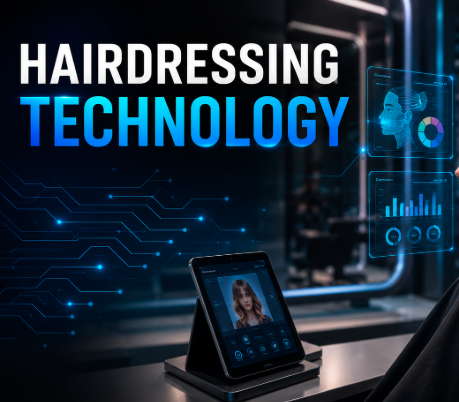
Introduction to Hairdressing Technology
Hairdressing technology has transformed the beauty industry in remarkable ways. What was once a profession dependent solely on manual skills and traditional tools has now become a technology-driven field that combines creativity with innovation. Today, salons use advanced equipment, digital systems, artificial intelligence, and smart devices to provide better services and improve customer experiences.
The growth of hairdressing technology has made it easier for professionals to deliver precise haircuts, customized coloring services, and efficient salon management. Customers also benefit from faster services, personalized recommendations, and improved treatment results. As technology continues to evolve, hairdressing is becoming more sophisticated, efficient, and customer-focused than ever before.
The History and Evolution of Hairdressing Technology
The history of hairdressing technology reflects the broader development of the beauty industry. In earlier times, hairdressers relied on simple scissors, combs, and manual styling techniques. Haircuts and treatments depended entirely on the expertise of the stylist.
The introduction of electrical tools marked a major turning point. Hair dryers, electric clippers, and heated styling tools significantly improved efficiency and expanded styling possibilities. During the late twentieth century, salons began incorporating computerized booking systems and modern equipment.
Today, digital innovations have revolutionized nearly every aspect of salon operations. From smart hair analyzers to cloud-based management software, modern hairdressing technology has created a more professional and streamlined environment for both salon owners and clients.
Essential Hairdressing Tools and Equipment
Modern salons rely on a variety of technological tools that help improve service quality and productivity. These tools have become essential components of professional hairdressing.
Some commonly used equipment includes:
| Equipment | Purpose |
|---|---|
| Hair Dryers | Quick drying and styling |
| Straighteners | Hair smoothing and straightening |
| Curling Irons | Creating curls and waves |
| Electric Clippers | Precise cutting and trimming |
| Hair Steamers | Deep conditioning treatments |
| Smart Styling Tools | Temperature-controlled styling |
Advanced styling tools now feature digital temperature controls, automatic shut-off systems, and sensors that help prevent hair damage. These innovations improve safety while allowing hairdressers to achieve consistent results.
Many premium tools also incorporate ceramic, titanium, and ionic technologies that help maintain hair health while reducing frizz and static.
Digital Salon Management Systems
One of the most important developments in hairdressing technology is the adoption of digital salon management systems. Running a salon involves much more than cutting and styling hair. Appointment scheduling, customer records, inventory management, and employee coordination all require effective organization.
Salon management software helps automate many daily tasks. These systems allow clients to book appointments online, receive reminders, and make digital payments.
Key functions often include:
- Appointment scheduling
- Customer database management
- Inventory tracking
- Staff scheduling
- Financial reporting
- Marketing automation
By reducing administrative work, salon owners can focus more on delivering excellent services and growing their businesses.
Artificial Intelligence in Hairdressing
Artificial intelligence is becoming an increasingly valuable part of hairdressing technology. AI systems can analyze hair conditions, recommend suitable hairstyles, and even predict how certain colors or cuts will look on a client.
AI-powered tools collect information such as:
- Hair texture
- Face shape
- Hair density
- Hair health
- Color preferences
Using this data, the software generates personalized suggestions that help clients make informed decisions. Some applications even allow customers to upload photos and virtually test different hairstyles before committing to a new look.
Artificial intelligence also assists salons in understanding customer behavior, enabling more targeted marketing campaigns and improved service recommendations.
Hair Coloring and Chemical Treatment Technologies
Hair coloring has become far more precise thanks to advancements in hairdressing technology. Traditional color mixing often depended on estimation and experience. Modern digital systems help create accurate color formulations based on specific client requirements.
Advanced color technology offers several advantages:
- Consistent color results
- Reduced product waste
- Better shade matching
- Improved treatment safety
- Faster processing times
Many modern systems use computerized databases that store color formulas for repeat customers. This allows salons to reproduce previous results with remarkable accuracy.
Hair analysis devices can also evaluate hair condition before chemical treatments, helping stylists choose the safest and most effective products for each client.
Virtual Reality and Augmented Reality in Hair Styling
Virtual reality and augmented reality have introduced exciting possibilities within hairdressing technology. These technologies help customers visualize potential hairstyles before making a final decision.
AR applications allow users to see how different hairstyles, haircuts, and colors would appear on their own faces using smartphones or smart mirrors. This reduces uncertainty and increases confidence during consultations.
Benefits of AR and VR in salons include:
| Benefit | Description |
| Better Visualization | Clients see realistic previews |
| Improved Satisfaction | More informed decisions |
| Reduced Miscommunication | Clear expectations |
| Enhanced Consultation | More interactive experience |
As these technologies become more affordable, their adoption is expected to increase across salons worldwide.
Benefits of Hairdressing Technology
The growing popularity of hairdressing technology is driven by the many benefits it provides. Technology not only improves service quality but also enhances business efficiency.
For salon owners, technology helps streamline operations, reduce errors, and increase profitability. For clients, it delivers a more personalized and enjoyable experience.
Major benefits include:
- Improved service accuracy.
- Faster appointment management.
- Enhanced customer satisfaction.
- Better treatment outcomes.
- Increased business efficiency.
- More personalized recommendations.
- Reduced operational costs.
- Greater consistency in results.
These advantages demonstrate why technology has become an essential part of modern salon success.
Challenges and Limitations of Hairdressing Technology
Despite its many benefits, hairdressing technology also presents certain challenges. Implementing advanced systems often requires significant financial investment, especially for small businesses.
Training employees to use new technologies effectively can also take time. Some staff members may initially resist technological changes due to unfamiliarity or concerns about complexity.
Additional challenges include:
- Equipment maintenance costs
- Software subscription fees
- Data security concerns
- Technology upgrades
- Learning curves for employees
While these challenges exist, most salons find that the long-term benefits outweigh the initial difficulties.
Future Trends in Hairdressing Technology
The future of hairdressing technology looks highly promising. New innovations continue to emerge, creating opportunities for greater efficiency and creativity within the beauty industry.
Several trends are expected to shape the future:
AI-Powered Personalization
Artificial intelligence will become even more accurate in recommending hairstyles, products, and treatments tailored to individual customers.
Smart Salon Experiences
Connected devices will create fully integrated salon environments where appointments, consultations, and treatments operate seamlessly.
Sustainable Beauty Technologies
Eco-friendly equipment and energy-efficient tools will help salons reduce their environmental impact while lowering operating costs.
Robotics and Automation
Although human creativity remains essential, certain routine tasks may become partially automated through robotic assistance and smart devices.
Advanced Hair Diagnostics
Future scanners and analyzers may provide detailed insights into scalp health, hair strength, and treatment requirements within seconds.
These innovations will continue transforming how salons operate and how customers experience beauty services.
How to Choose the Right Hairdressing Technology for Your Salon
Selecting the appropriate technology requires careful planning and evaluation. Salon owners should first identify their specific business needs and objectives.
When choosing new solutions, consider factors such as:
- Budget availability
- Salon size
- Staff skill levels
- Customer expectations
- Technical support options
- Scalability
Comparing multiple vendors and requesting demonstrations can help ensure the best investment decisions. It is also important to prioritize technologies that provide measurable improvements in efficiency and customer satisfaction.
A well-planned technology strategy can significantly improve salon performance and long-term growth.
Conclusion
Hairdressing technology has fundamentally changed the beauty industry by combining creativity with innovation. From advanced styling tools and digital management systems to artificial intelligence and augmented reality, modern technologies are helping salons deliver better services than ever before.
As customer expectations continue to evolve, salons that embrace technological advancements will be better positioned to remain competitive and successful. While challenges such as costs and training requirements exist, the long-term advantages make technology an essential investment for modern hairdressing businesses.
The future of hairdressing technology promises even greater personalization, automation, and efficiency, ensuring that both professionals and clients benefit from continuous innovation in the years ahead.
Frequently Asked Questions (FAQs)
What is hairdressing technology?
Hairdressing technology refers to the modern tools, software, equipment, and digital innovations used to improve hair styling, coloring, treatments, and salon management.
How does AI help hairdressers?
AI helps by analyzing hair characteristics, recommending hairstyles, predicting results, and improving customer consultations through personalized suggestions.
What software is used in modern salons?
Most salons use management software for appointment scheduling, customer records, inventory management, staff coordination, and payment processing.
Are virtual hairstyle apps accurate?
Modern virtual hairstyle applications are highly accurate and provide realistic previews that help clients visualize potential styles before making decisions.
What are the benefits of salon management systems?
They improve scheduling, reduce administrative work, enhance customer service, track inventory, and increase overall business efficiency.
Is hairdressing technology expensive?
Costs vary depending on the technology. Some solutions are affordable for small salons, while advanced systems may require larger investments.
What future technologies will impact hair salons?
Artificial intelligence, smart mirrors, robotic assistance, advanced diagnostics, and sustainable beauty technologies are expected to influence future salon operations.
How can small salons adopt new technology?
Small salons can start with affordable management software, online booking systems, and modern styling tools before gradually investing in more advanced technologies.
Related Articles
Tech FeedBuzzard: Your Complete Guide to Modern Technology News, Trends, and Insights
Technology Hacks TGArchiveGaming: The Complete Guide to Gaming Performance and Tech Optimization
Geekzilla.tech Honor Magic 5 Pro: A Complete Guide
Property Management Tech News: Latest Trends, Innovations, and Future of Real Estate Technology
Bulldog Tech Echo: Complete Guide to the Digital Learning Platform