


Introduction
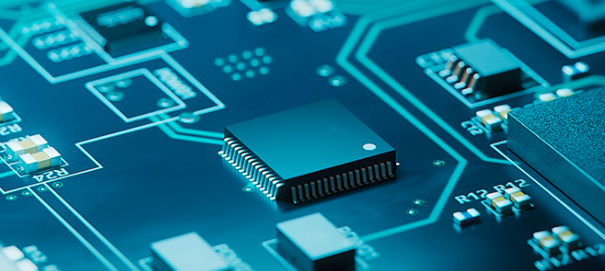
The Seanix Technology Intel CA810E is a classic motherboard that represents an important stage in personal computer development. Released during the transition period between the late 1990s and early 2000s, this motherboard was designed to provide reliable computing performance for home users, educational institutions, and businesses.
At a time when desktop computers were becoming increasingly common, manufacturers focused on creating affordable and stable systems. The Seanix Technology Intel CA810E became a popular choice because it combined Intel’s trusted hardware design with integrated features that reduced overall system costs. While modern computers have far surpassed its capabilities, this motherboard remains interesting for collectors, retro computing enthusiasts, and individuals maintaining legacy systems.
This article explores the history, specifications, performance, advantages, limitations, and current relevance of the Seanix Technology Intel CA810E.
What Is the Seanix Technology Intel CA810E?
The Seanix Technology Intel CA810E is a motherboard based on Intel’s 810E chipset platform. It was commonly used in Seanix desktop computers and supported Intel Pentium III and Intel Celeron processors through the Socket 370 interface.
The motherboard was designed as an all-in-one solution. Instead of requiring separate graphics and audio cards, it included integrated components that handled basic multimedia and office tasks. This design made systems more affordable and easier to maintain.
For schools, offices, and home users, the Seanix Technology Intel CA810E provided a dependable computing platform capable of running popular operating systems of its era, including Windows 98, Windows ME, Windows 2000, and Windows XP.
History and Background
During the late 1990s, Intel introduced the 810 series chipset to create budget-friendly computer platforms. The goal was to simplify motherboard design while reducing costs.
Seanix Technology adopted Intel motherboards in many of its desktop systems because Intel products were known for stability and compatibility. The CA810E model became particularly attractive for educational and business environments where reliability was more important than gaming performance.
As computer technology evolved, newer chipsets eventually replaced the Intel 810E. However, the Seanix Technology Intel CA810E remains a notable example of early integrated motherboard design.
Design and Physical Layout
The motherboard follows a standard microATX design that allowed installation in compact desktop cases. Its layout was carefully organized to maximize available space while maintaining easy access to major components.
Key hardware areas include:
- Socket 370 processor slot
- SDRAM memory slots
- PCI expansion slots
- IDE storage connectors
- Integrated audio and graphics components
- Rear input/output ports
The compact design made it suitable for office and educational computers where space efficiency was important.
Technical Specifications Overview
The following table summarizes the primary specifications of the Seanix Technology Intel CA810E.
| Component | Specification |
|---|---|
| Chipset | Intel 810E |
| Processor Socket | Socket 370 |
| Supported CPUs | Intel Pentium III, Intel Celeron |
| Memory Type | PC100/PC133 SDRAM |
| Maximum Memory | 512 MB |
| Graphics | Integrated Intel Graphics |
| Audio | Integrated Audio |
| Expansion Slots | PCI Slots |
| Storage Interface | IDE |
| Form Factor | MicroATX |
| Operating Systems | Windows 98, ME, 2000, XP |
These specifications were considered practical and cost-effective during the motherboard’s active lifespan.
Processor Compatibility
One of the most important features of the Seanix Technology Intel CA810E was its support for Socket 370 processors.
Compatible processors included:
Intel Pentium III
The Pentium III provided improved performance for office applications, web browsing, and multimedia tasks. It was widely used in business environments due to its reliability.
Intel Celeron
The Celeron processor was Intel’s budget-oriented option. It offered sufficient performance for basic tasks while keeping system costs low.
Upgrade Possibilities
Users could upgrade within the supported processor family to achieve better performance without replacing the entire system. This flexibility extended the useful lifespan of many computers built around the Seanix Technology Intel CA810E.
Memory Support and Performance
The motherboard supports SDRAM technology, which was standard during its release period.
Memory support includes:
- PC100 SDRAM
- PC133 SDRAM
- Up to 512 MB RAM
Although 512 MB may seem extremely small by modern standards, it was sufficient for running common operating systems and productivity software of the time.
Applications such as word processing, spreadsheets, email, and basic internet browsing performed adequately with the available memory capacity.
Intel 810E Chipset Features
The Intel 810E chipset served as the foundation of the motherboard’s functionality.
Major chipset features included:
Integrated Graphics
The chipset included built-in graphics capabilities, eliminating the need for a dedicated graphics card in most business and home environments.
Memory Controller
The chipset managed communication between the processor and system memory, ensuring efficient data transfer.
Input/Output Functions
Support for storage devices, peripheral connections, and system communication was handled through the chipset architecture.
The integration of multiple functions into a single chipset helped reduce manufacturing costs while improving system stability.
Integrated Graphics System
Unlike many performance-oriented motherboards of its era, the Seanix Technology Intel CA810E relied on integrated graphics.
Advantages included:
- Lower system cost
- Reduced power consumption
- Simpler hardware configuration
- Improved reliability
However, there were limitations as well.
The integrated graphics solution was suitable for:
- Office applications
- Educational software
- Internet browsing
- Basic multimedia playback
It was not designed for demanding 3D gaming or advanced graphics workloads.
Expansion and Upgrade Options
Although integrated components handled many functions, expansion opportunities were still available.
The motherboard included PCI slots that allowed users to install:
- Network cards
- Sound cards
- Modems
- Additional peripheral controllers
This flexibility enabled users to customize systems according to their needs.
However, compared with modern motherboards, upgrade possibilities were relatively limited.
Storage and Connectivity Features
The Seanix Technology Intel CA810E uses IDE storage technology.
Supported devices include:
- IDE hard drives
- CD-ROM drives
- DVD drives
- CD writers
At the time of release, IDE technology represented the industry standard for storage connectivity.
The motherboard also provided various external ports for keyboards, mice, printers, and other peripherals.
BIOS Features and Configuration
The BIOS serves as the motherboard’s control center.
Users could configure:
- Processor settings
- Boot sequence
- Date and time
- Hardware monitoring
- Security options
The BIOS interface was relatively simple compared with modern UEFI systems but provided sufficient control for everyday users and system administrators.
Performance Analysis
Evaluating the Seanix Technology Intel CA810E requires understanding the technological standards of its era.
Office Productivity
The motherboard handled word processing, spreadsheets, and presentation software effectively.
Internet Browsing
Basic web browsing was possible, although modern websites would overwhelm the hardware due to increased complexity and resource requirements.
Multimedia Playback
Music playback and standard-definition video viewing were generally smooth when supported by compatible software.
Educational Applications
Many schools utilized systems based on this motherboard because it offered stable performance for learning environments.
Common Problems and Solutions
Like any aging hardware, the Seanix Technology Intel CA810E can experience several common issues.
CMOS Battery Failure
Older systems often lose BIOS settings due to a depleted CMOS battery.
Solution: Replace the CR2032 battery.
Memory Detection Issues
Improperly seated memory modules may cause startup problems.
Solution: Remove and reinstall the SDRAM modules.
Boot Failures
Hard drive connection issues can prevent system startup.
Solution: Check IDE cables and BIOS settings.
Capacitor Aging
Older capacitors may degrade over time.
Solution: Inspect the motherboard for damaged components and replace if necessary.
Maintenance Tips for Legacy Systems
Maintaining older hardware requires regular attention.
Recommended practices include:
- Cleaning dust from components.
- Replacing aging CMOS batteries.
- Monitoring cooling systems.
- Using surge protection.
- Storing systems in dry environments.
These steps can significantly extend the life of legacy hardware.
Advantages of the Seanix Technology Intel CA810E
Several factors contributed to the motherboard’s popularity.
Stability
Intel’s engineering standards resulted in dependable performance.
Cost Efficiency
Integrated graphics and audio reduced overall system expenses.
Ease of Use
Installation and maintenance were straightforward.
Compatibility
The motherboard supported widely used operating systems and software.
These strengths made the Seanix Technology Intel CA810E particularly attractive for educational and business environments.
Limitations and Drawbacks
Despite its strengths, the motherboard has several limitations.
| Limitation | Impact |
| Maximum 512 MB RAM | Restricts modern software usage |
| Integrated Graphics | Limited gaming performance |
| IDE Storage | Slower than modern SATA and SSD solutions |
| Older CPU Support | Incompatible with modern processors |
| Legacy Connectivity | Limited modern peripheral support |
These limitations make the motherboard unsuitable for contemporary computing needs.
Comparison with Contemporary Motherboards
When compared with newer Intel 815-based motherboards, the Seanix Technology Intel CA810E generally offered lower graphics performance and fewer expansion opportunities.
However, it often delivered:
- Better affordability
- Simpler setup
- Reliable stability
- Lower maintenance requirements
For budget-conscious users of its era, these benefits often outweighed the performance differences.
Is the Seanix Technology Intel CA810E Still Useful Today?
Although obsolete for modern productivity, the motherboard still serves several purposes.
Retro Computing
Many enthusiasts use older hardware to experience classic operating systems and software.
Legacy Software Support
Some specialized programs only function correctly on older platforms.
Educational Value
Students studying computer history can learn about hardware evolution through systems built around the Seanix Technology Intel CA810E.
Hardware Collection
Vintage computer collectors often seek historically significant motherboards.
Buying or Restoring a Seanix Technology Intel CA810E
Finding a working motherboard today may require searching used hardware marketplaces or computer recycling centers.
Before purchasing, check:
- Physical condition
- Capacitor health
- BIOS functionality
- Processor compatibility
- Memory support
A properly restored system can provide years of reliable operation for retro computing purposes.
Frequently Asked Questions
What processor does the Seanix Technology Intel CA810E support?
It supports Intel Pentium III and Intel Celeron processors using the Socket 370 interface.
How much RAM can the motherboard handle?
The motherboard supports up to 512 MB of SDRAM memory.
Does it support Windows XP?
Yes. Many systems based on the Seanix Technology Intel CA810E successfully ran Windows XP.
Can it run modern software?
Most modern software requires significantly more processing power and memory than the motherboard can provide.
Is it suitable for retro gaming?
Yes. It can run many classic games designed for Windows 98 and Windows XP-era hardware.
Conclusion
The Seanix Technology Intel CA810E represents an important chapter in personal computer history. Built around Intel’s 810E chipset, it delivered affordable, stable, and practical computing for homes, schools, and businesses during a period of rapid technological growth. Its support for Pentium III and Celeron processors, integrated graphics, SDRAM memory, and IDE storage made it a cost-effective solution for everyday computing tasks.
Although modern hardware has dramatically surpassed its capabilities, the Seanix Technology Intel CA810E remains valuable for retro computing enthusiasts, collectors, and individuals maintaining legacy systems. Its historical significance, reliability, and simplicity continue to make it an interesting motherboard even decades after its original release.
Related Articles
How to Remove Admin Account from a Chromebook Laptop?
Laptop Screen Wet — What to Do Immediately Before Permanent Damage
Major Trends in Technology TogTechify: A Complete Guide to the Future of Innovation
Drovenio Latest Technology News: Exploring AI, Automation, Cybersecurity, and Future Innovation