




Introduction
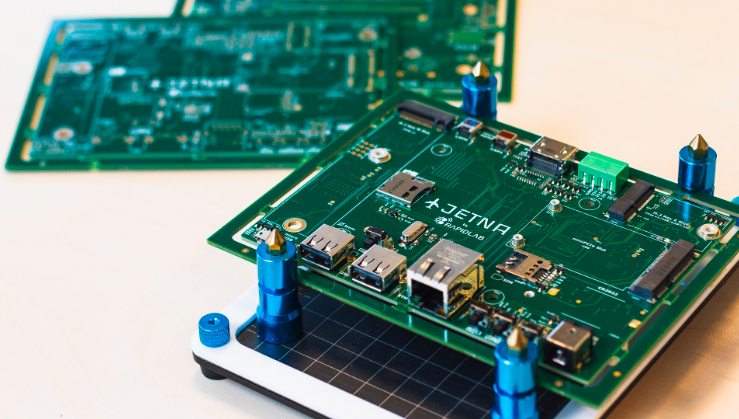
Electronic devices have become an essential part of modern life. From smartphones and smart home systems to industrial machines and medical equipment, almost every electronic product relies on a Printed Circuit Board (PCB). A PCB serves as the foundation that connects electronic components and allows devices to function properly.
As technology continues to advance, businesses increasingly require customized electronic solutions rather than generic designs. This is where custom PCB design becomes important. Companies need circuit boards that meet specific performance, size, power, and functionality requirements.
One company known for providing hardware development and PCB-related services is RadioCord Technologies. The concept of custom pcb design radiocord technologies has gained attention among businesses looking for specialized electronic solutions, product development support, and engineering expertise.
This article explores custom PCB design, the services associated with RadioCord Technologies, the design process, benefits, challenges, and future trends shaping the PCB industry.
What Is Custom PCB Design?
Custom PCB design is the process of creating a circuit board specifically tailored to the requirements of a particular product or application. Unlike standard boards that are designed for general purposes, custom PCBs are engineered to achieve specific performance goals.
A PCB contains conductive pathways that connect various electronic components such as resistors, capacitors, microcontrollers, sensors, and integrated circuits. These connections enable electrical signals to travel throughout the device.
When a company develops a unique product, it often requires a PCB that fits exact dimensions, supports specific components, and delivers the desired functionality. Custom PCB design makes this possible.
Understanding Printed Circuit Boards
Printed Circuit Boards are the backbone of modern electronics. They provide:
- Mechanical support for components
- Electrical connections between parts
- Reliable signal transmission
- Compact product design
- Improved manufacturing efficiency
Without PCBs, electronic devices would require complex wiring systems that are difficult to assemble and maintain.
Difference Between Standard and Custom PCB Design
| Feature | Standard PCB | Custom PCB |
|---|---|---|
| Design Flexibility | Limited | High |
| Product Compatibility | General | Specific |
| Performance Optimization | Basic | Advanced |
| Size Customization | Limited | Fully Customized |
| Scalability | Moderate | Excellent |
| Manufacturing Efficiency | Standard | Optimized |
Custom PCB solutions offer greater flexibility and can significantly improve product performance and reliability.
About RadioCord Technologies
RadioCord Technologies is involved in electronics engineering, hardware development, firmware development, and product design solutions. The company focuses on helping businesses transform ideas into functional electronic products.
The concept of custom pcb design radiocord technologies revolves around providing tailored circuit board solutions that support product innovation and development.
The company’s engineering expertise extends beyond PCB layout and includes hardware architecture, embedded systems development, IoT integration, and manufacturing support.
Company Overview
Modern electronic products require more than simple circuit design. They need a complete development strategy that includes hardware, software, testing, and manufacturing.
Engineering-focused companies such as RadioCord Technologies help bridge the gap between concept and commercial production through comprehensive development services.
Industries Served
Custom PCB solutions can support a wide range of industries:
- Internet of Things (IoT)
- Consumer Electronics
- Industrial Automation
- Healthcare Devices
- Automotive Electronics
- Telecommunications
- Smart Home Technologies
- Networking Equipment
Each industry has unique requirements that often demand customized circuit board solutions.
Custom PCB Design Services Offered by RadioCord Technologies
Custom PCB development involves multiple stages and engineering disciplines. Companies offering PCB services generally provide comprehensive support throughout the product lifecycle.
PCB Schematic Design
The schematic serves as the blueprint for the entire electronic system.
During this stage, engineers:
- Define circuit functionality
- Select components
- Create electrical connections
- Verify design logic
A well-designed schematic helps reduce development errors and simplifies later design stages.
PCB Layout Design
Once the schematic is completed, engineers create the physical layout of the board.
This stage includes:
- Component placement
- Trace routing
- Ground plane design
- Power distribution planning
PCB layout significantly impacts performance, thermal behavior, and signal integrity.
Types of PCB Layouts
| PCB Type | Description |
|---|---|
| Single-Layer PCB | One conductive layer |
| Double-Layer PCB | Two conductive layers |
| Multi-Layer PCB | Multiple signal layers |
| High-Speed PCB | Designed for fast signal transmission |
| Flexible PCB | Bendable circuit boards |
| Rigid-Flex PCB | Combination of rigid and flexible sections |
Prototype Development
Prototyping allows engineers to validate a design before mass production.
Benefits include:
- Identifying design flaws
- Functional verification
- Performance testing
- Cost reduction
A successful prototype minimizes manufacturing risks.
PCB Fabrication Support
Fabrication involves converting the PCB design into a physical board.
This process includes:
- Manufacturing file preparation
- Gerber file generation
- Material selection
- Production coordination
Proper fabrication support ensures consistency and quality.
PCB Assembly Services
PCB assembly involves mounting electronic components onto the board.
Assembly methods may include:
- Surface Mount Technology (SMT)
- Through-Hole Assembly
- Mixed Technology Assembly
Quality inspection is essential during this stage to ensure proper functionality.
RadioCord Technologies PCB Design Process
The PCB design process typically follows a structured workflow.
Requirement Analysis
The first step is understanding the project requirements.
Engineers evaluate:
- Product goals
- Functional specifications
- Budget constraints
- Manufacturing considerations
This stage lays the foundation for the entire project.
Concept Development
After gathering requirements, engineers develop initial concepts.
This may involve:
- System architecture planning
- Component research
- Feasibility analysis
- Risk assessment
Proper planning reduces future design complications.
Schematic Creation
The schematic converts ideas into an electrical design framework.
Engineers verify:
- Circuit functionality
- Component compatibility
- Signal flow
- Power requirements
PCB Layout Development
Layout development transforms the schematic into a manufacturable board design.
Key considerations include:
- Signal integrity
- Thermal management
- Electromagnetic compatibility
- Mechanical constraints
Prototype Testing
Testing validates performance under real-world conditions.
Common tests include:
- Functional testing
- Electrical verification
- Environmental testing
- Reliability testing
Final Production Support
After successful validation, the design moves to production.
Support activities often include:
- Manufacturing coordination
- Assembly supervision
- Quality assurance
- Production optimization
Key Features of RadioCord Technologies PCB Solutions
The growing interest in custom pcb design radiocord technologies is largely driven by several valuable characteristics.
Custom Engineering Approach
Every project has unique requirements. Custom engineering ensures the design aligns with the intended application.
High Reliability Standards
Reliable electronics are critical for industrial, medical, and commercial applications.
Reliability is achieved through:
- Quality component selection
- Proper PCB layout
- Thorough testing
- Design validation
Advanced Testing Procedures
Testing helps identify potential failures before production.
Cost-Effective Development
Well-planned PCB development reduces manufacturing costs and minimizes expensive redesigns.
Fast Turnaround Time
Efficient engineering processes help accelerate product development.
Scalability
Custom PCB solutions can often be adapted for future product versions and increased production volumes.
Technologies and Tools Used
Modern PCB design relies on specialized engineering software.
PCB Design Software
Several professional tools are commonly used within the industry.
| Software | Purpose |
|---|---|
| Altium Designer | Professional PCB design |
| KiCad | Open-source PCB development |
| Eagle | PCB layout and schematics |
| OrCAD | Electronic design automation |
| Proteus | Simulation and PCB design |
These tools allow engineers to create highly detailed and accurate designs.
Simulation and Testing Tools
Simulation software enables engineers to evaluate designs before physical production.
Benefits include:
- Reduced development costs
- Faster design validation
- Improved performance prediction
- Lower manufacturing risks
Applications of Custom PCB Design
Custom PCB development supports countless technologies used every day.
IoT Devices
Internet-connected products require specialized boards optimized for wireless communication and power efficiency.
Examples include:
- Smart sensors
- Connected appliances
- Remote monitoring systems
RFID Systems
RFID technology is used for tracking, inventory management, and access control.
Electric Vehicle Electronics
Electric vehicles require sophisticated electronic systems for:
- Battery management
- Motor control
- Charging systems
Smart Home Products
Modern smart homes depend heavily on customized electronic hardware.
Industrial Control Systems
Factories and industrial facilities use PCB-based systems to automate operations and improve efficiency.
Networking Equipment
Routers, switches, gateways, and communication systems rely on advanced PCB technology.
Benefits of Choosing RadioCord Technologies for PCB Design
The popularity of custom pcb design radiocord technologies can be linked to several advantages.
Experienced Engineering Team
Experienced engineers understand the complexities involved in modern electronics development.
End-to-End Product Development
Comprehensive development support can simplify project management and accelerate product launch timelines.
Hardware and Firmware Integration
Successful products require seamless interaction between hardware and software.
Strong Project Management
Effective project coordination helps maintain schedules and budgets.
Manufacturing Support
Production guidance helps ensure successful transition from prototype to mass production.
Challenges in Custom PCB Design
Despite its benefits, PCB development presents several technical challenges.
Design Complexity
Modern electronic devices contain increasingly sophisticated circuitry.
Thermal Management
Heat generation can impact performance and reliability.
Engineers often use:
- Heat sinks
- Thermal vias
- Copper planes
- Airflow optimization
Signal Integrity Issues
High-speed circuits require careful design to prevent signal degradation.
Component Availability
Supply chain disruptions can affect component selection and manufacturing schedules.
Manufacturing Constraints
Designs must be optimized for practical manufacturing processes.
How RadioCord Technologies Addresses These Challenges
Engineering-focused PCB development companies use structured methodologies to overcome technical obstacles.
Advanced Design Reviews
Regular reviews help identify potential issues early.
Prototype Validation
Testing prototypes before production reduces risk.
Quality Testing Procedures
Multiple verification stages improve reliability.
Continuous Client Communication
Close collaboration ensures project requirements remain aligned throughout development.
Future Trends in Custom PCB Design
The PCB industry continues to evolve rapidly.
AI-Assisted PCB Design
Artificial intelligence is beginning to support component placement, routing optimization, and design validation.
Miniaturization
Electronic products continue to become smaller while delivering greater functionality.
High-Speed PCB Development
Demand for faster data transmission is driving innovation in PCB technologies.
IoT Expansion
The continued growth of connected devices will increase demand for customized PCB solutions.
Sustainable Manufacturing
Environmental concerns are encouraging greener production methods and recyclable materials.
Tips for Businesses Before Starting a PCB Design Project
Businesses planning electronic product development should consider several important factors.
Define Requirements Clearly
Detailed specifications help engineers create more accurate designs.
Establish Budget and Timeline
Proper planning improves project efficiency.
Select the Right Development Partner
Choosing an experienced engineering company can significantly impact project success.
Plan for Future Growth
Designing with scalability in mind supports future expansion.
Consider Manufacturing Early
Manufacturing requirements should influence design decisions from the beginning.
Why Custom PCB Design Is Important for Product Success
Custom PCB design plays a vital role in creating high-quality electronic products. It allows businesses to optimize performance, reduce costs, improve reliability, and gain a competitive advantage.
Products built around carefully engineered circuit boards often achieve:
- Better efficiency
- Enhanced durability
- Improved functionality
- Easier manufacturing
- Greater market competitiveness
As technology advances, the importance of customized electronics solutions will continue to grow.
Conclusion
The demand for specialized electronic products has made custom PCB development an essential part of modern engineering. The concept of custom pcb design radiocord technologies highlights the growing need for tailored circuit board solutions that support innovation, performance, and reliability.
From schematic design and PCB layout to prototyping, testing, and manufacturing support, custom PCB development provides businesses with the tools needed to transform ideas into successful products. Whether developing IoT devices, industrial systems, networking equipment, or smart consumer products, professional PCB design services can help ensure long-term success.
As electronic technologies become increasingly advanced, companies that invest in high-quality custom PCB solutions will be better positioned to compete, innovate, and meet evolving market demands.
Frequently Asked Questions (FAQs)
What is custom PCB design?
Custom PCB design is the process of creating a printed circuit board specifically tailored to a product’s unique requirements rather than using a standard board design.
Does RadioCord Technologies provide PCB prototyping services?
Engineering-focused PCB development providers often offer prototyping services to test and validate designs before mass production.
Which industries benefit from custom PCB development?
Industries such as IoT, healthcare, automotive, industrial automation, telecommunications, and consumer electronics commonly use custom PCB solutions.
How long does a custom PCB project take?
Project timelines vary depending on complexity, component availability, testing requirements, and production goals.
Can custom PCB design reduce manufacturing costs?
Yes. A well-optimized PCB design can improve production efficiency, reduce assembly complexity, minimize errors, and lower long-term manufacturing expenses.
Related Articles
World Tech Graphic Design GFXTek: Complete Guide to Technology, Creativity, and Digital Design
How ANRVSNA Transforms Standardgross Technology?
Technologies HearthssGaming: Exploring the Future of Gaming Innovation
Drovenio Latest Technology News: Exploring AI, Automation, Cybersecurity, and Future Innovation
Bulldog Tech Echo: Complete Guide to the Digital Learning Platform