




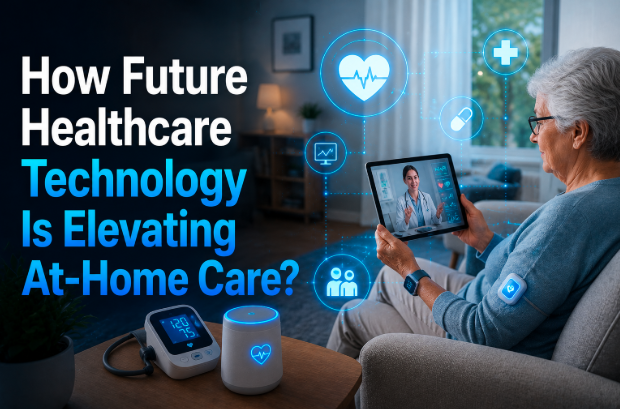
Introduction to the Future of At-Home Healthcare
Healthcare is experiencing one of the biggest transformations in history. For decades, patients had to visit hospitals, clinics, and healthcare facilities for most medical services. Today, technology is changing that model by bringing healthcare directly into people’s homes. From virtual doctor appointments to smart monitoring devices, patients can now receive high-quality care without leaving their homes.
Understanding how future healthcare technology is elevating at-home care is becoming increasingly important as healthcare providers, patients, and families embrace digital solutions. These innovations improve convenience, reduce costs, and make healthcare more accessible for people of all ages. As technology continues to advance, at-home healthcare is expected to become an essential part of modern medical services.
The Evolution of Home Healthcare Technology
Home healthcare has existed for many years, but it was traditionally limited to visits from nurses, caregivers, or family members. Medical monitoring often relied on manual observations and scheduled appointments. This approach worked for many patients, but it also had limitations in terms of accessibility and efficiency.
The introduction of digital technologies has dramatically changed home healthcare. Internet connectivity, mobile applications, cloud computing, and smart devices now allow healthcare professionals to monitor patients remotely and provide timely interventions when necessary.
The evolution of healthcare technology can be summarized as follows:
| Era | Primary Method | Patient Experience |
|---|---|---|
| Traditional Home Care | In-person visits | Limited monitoring |
| Digital Healthcare | Online consultations | Improved accessibility |
| Smart Healthcare | Connected devices | Continuous monitoring |
| Future Healthcare | AI-driven systems | Personalized care |
This progression highlights how healthcare is becoming more proactive rather than reactive.
Telemedicine and Virtual Doctor Consultations
Telemedicine has become one of the most significant innovations in modern healthcare. It allows patients to communicate with healthcare providers through video calls, mobile apps, and online platforms.
Instead of spending time traveling to a clinic, patients can discuss symptoms, receive diagnoses, and obtain treatment recommendations from the comfort of their homes. This is especially beneficial for elderly individuals, people with mobility challenges, and those living in remote areas.
Virtual consultations also reduce waiting times and improve access to specialists. Patients can schedule appointments more easily and receive follow-up care without repeated visits to healthcare facilities.
As communication technologies improve, telemedicine is expected to include advanced diagnostic tools, virtual examinations, and enhanced patient-doctor interactions.
Remote Patient Monitoring Systems
Remote patient monitoring has transformed how healthcare professionals manage chronic diseases and long-term medical conditions. These systems use connected devices to track health information continuously and transmit data directly to healthcare providers.
Patients with conditions such as diabetes, heart disease, hypertension, and respiratory disorders benefit greatly from remote monitoring. Healthcare professionals can review data in real time and respond quickly when abnormalities occur.
Common health metrics monitored remotely include:
- Blood pressure
- Heart rate
- Blood glucose levels
- Oxygen saturation
- Body temperature
- Sleep patterns
Continuous monitoring helps identify health concerns before they become serious, reducing hospital admissions and improving patient outcomes.
Wearable Health Devices Transforming Daily Care
Wearable technology is becoming an important part of everyday healthcare. Devices such as smartwatches, fitness bands, health patches, and smart rings provide valuable insights into a person’s health status.
Modern wearable devices can monitor physical activity, heart rhythms, stress levels, sleep quality, and even detect potential medical emergencies. These devices collect large amounts of health data that can be analyzed to identify patterns and risks.
The growing popularity of wearable devices demonstrates how future healthcare technology is elevating at-home care by empowering individuals to take a more active role in managing their health.
Some key benefits of wearable health devices include:
| Benefit | Impact |
|---|---|
| Continuous Monitoring | Early detection of problems |
| Health Tracking | Better lifestyle decisions |
| Emergency Alerts | Faster medical response |
| Data Sharing | Improved physician oversight |
As sensors become more advanced, wearable devices may eventually provide laboratory-level diagnostics from home.
Artificial Intelligence in Home Healthcare
Artificial Intelligence (AI) is rapidly becoming one of the most powerful tools in healthcare. AI systems can analyze vast amounts of medical data, identify trends, and support healthcare professionals in making informed decisions.
At home, AI-powered healthcare solutions help patients monitor symptoms, manage medications, and receive personalized health recommendations. Virtual health assistants can answer medical questions, remind patients to take medication, and encourage healthy habits.
AI also improves predictive healthcare. By analyzing historical health data, AI systems can identify risks before symptoms become severe. This allows doctors to intervene earlier and improve treatment outcomes.
Benefits of AI in home healthcare include:
- Faster diagnosis support
- Personalized treatment plans
- Reduced healthcare costs
- Improved medication adherence
- Better patient engagement
As AI technology matures, its role in home healthcare will continue expanding.
Smart Home Integration for Better Health Management
Smart homes are becoming more than just convenient living spaces. They are evolving into environments that actively support health and well-being.
Connected devices such as smart speakers, sensors, lighting systems, and security systems can work together to assist patients and caregivers. Voice assistants can remind patients about appointments, medication schedules, and exercise routines.
Smart home systems can also detect unusual behaviors, such as missed meals, lack of movement, or falls. These alerts can notify caregivers or healthcare providers, allowing immediate assistance when needed.
For elderly individuals who wish to remain independent, smart home healthcare solutions offer increased safety while maintaining personal freedom.
Robotics and Automation in At-Home Care
Healthcare robotics is another area experiencing rapid growth. Robots are being developed to assist patients with daily activities, provide companionship, and support caregivers.
Some healthcare robots can deliver medications, help patients move safely, and monitor health conditions. Automated systems reduce the workload on family members and healthcare professionals while ensuring consistent care.
Future robotic technologies may provide advanced capabilities such as:
- Mobility assistance
- Health monitoring
- Physical therapy support
- Medication management
- Emergency response services
As robotics become more affordable and sophisticated, they will play an increasingly important role in home healthcare environments.
Internet of Medical Things (IoMT) and Connected Healthcare
The Internet of Medical Things (IoMT) refers to a network of connected healthcare devices that communicate and share information through the internet.
IoMT devices create a healthcare ecosystem where information flows seamlessly between patients, healthcare providers, and caregivers. This connectivity enables more accurate monitoring, better decision-making, and improved patient outcomes.
Examples of IoMT devices include:
- Smart glucose monitors
- Connected blood pressure monitors
- Digital thermometers
- Smart inhalers
- Remote ECG devices
The ability to collect and analyze health data continuously allows healthcare providers to develop more effective treatment strategies while reducing unnecessary hospital visits.
Future Benefits of Technology-Driven Home Healthcare
The continued advancement of healthcare technology offers numerous benefits for patients, families, and healthcare systems.
One of the most significant advantages is convenience. Patients can access healthcare services without traveling long distances or spending hours in waiting rooms. This is particularly valuable for individuals with chronic conditions who require frequent monitoring.
Technology-driven home healthcare also improves accessibility. People living in rural communities gain access to medical expertise that may not be available locally.
Additional benefits include:
| Benefit | Description |
|---|---|
| Cost Reduction | Fewer hospital visits and admissions |
| Better Access | Healthcare available from anywhere |
| Patient Independence | Greater control over personal health |
| Early Intervention | Faster identification of medical issues |
| Improved Outcomes | Better long-term health management |
These advantages demonstrate why home healthcare technology is expected to become a cornerstone of future medical care.
Challenges and Concerns of At-Home Healthcare Technology
Despite its many advantages, technology-based home healthcare faces several challenges.
Data privacy remains a major concern. Healthcare devices collect sensitive personal information that must be protected from cyber threats and unauthorized access. Strong cybersecurity measures are essential to maintain patient trust.
Technology adoption can also be difficult for some individuals, particularly older adults who may be unfamiliar with digital tools. Proper education and user-friendly designs are necessary to ensure widespread acceptance.
Additional challenges include internet connectivity limitations, regulatory compliance, equipment costs, and ethical concerns surrounding AI-driven healthcare decisions.
Addressing these issues will be critical to the successful expansion of future home healthcare systems.
The Future Outlook of At-Home Care Technology
The future of home healthcare looks promising as innovations continue to emerge. Researchers and technology companies are developing advanced solutions that will further improve patient experiences and outcomes.
Future healthcare technologies may include implantable sensors, AI-powered diagnostic systems, virtual reality rehabilitation programs, and highly personalized treatment platforms. Genetic analysis and predictive medicine may also allow healthcare providers to anticipate health risks years before symptoms appear.
Healthcare will become increasingly personalized, proactive, and data-driven. Instead of treating illnesses after they develop, future systems will focus on preventing diseases through continuous monitoring and early intervention.
The growing adoption of these innovations clearly illustrates how future healthcare technology is elevating at-home care and reshaping the entire healthcare industry.
Conclusion
The healthcare industry is undergoing a remarkable transformation driven by technological innovation. Telemedicine, wearable devices, artificial intelligence, robotics, smart homes, remote monitoring systems, and the Internet of Medical Things are all contributing to a new era of patient-centered care.
Understanding how future healthcare technology is elevating at-home care reveals the tremendous potential these advancements hold for improving accessibility, affordability, and healthcare outcomes. Patients can now receive high-quality care from the comfort of their homes while maintaining greater independence and control over their health.
As technology continues to evolve, at-home healthcare will become even more sophisticated, offering safer, smarter, and more personalized medical care for people around the world.
Frequently Asked Questions (FAQs)
What is at-home healthcare technology?
At-home healthcare technology refers to digital tools, devices, and systems that allow patients to receive medical care, monitoring, and support from their homes.
How does telemedicine improve patient care?
Telemedicine provides convenient access to healthcare professionals through virtual consultations, reducing travel time and improving healthcare accessibility.
What are the benefits of remote patient monitoring?
Remote monitoring enables continuous tracking of health conditions, allowing healthcare providers to detect problems early and intervene quickly.
Can AI replace healthcare professionals in home care?
No. AI is designed to support healthcare professionals by analyzing data and providing insights, but human expertise remains essential for diagnosis and treatment.
Are wearable health devices accurate for medical monitoring?
Many modern wearable devices provide highly accurate health information, although they should complement rather than replace professional medical evaluations.
What challenges does future home healthcare technology face?
Common challenges include cybersecurity risks, privacy concerns, technology adoption barriers, internet connectivity limitations, and regulatory requirements.
How will smart homes contribute to healthcare in the future?
Smart homes will support medication management, health monitoring, emergency detection, and overall patient safety through connected devices and automation.
Is at-home healthcare more affordable than hospital care?
In many cases, yes. Home healthcare technologies can reduce hospital admissions, transportation expenses, and overall healthcare costs.
What role do healthcare robots play in home care?
Healthcare robots assist with daily tasks, medication management, mobility support, health monitoring, and caregiving activities.
What is the future of personalized healthcare at home?
Personalized healthcare will use AI, wearable devices, genetic insights, and predictive analytics to create customized treatment and prevention strategies for each patient.
Related Articles
How Smart Home Technology Will Change Lives?
Can Laptop Go Into Checked Luggage? Complete Airline Rules & Safety Guide
Laptop for Tuning Cars: Complete Guide for Beginners and Professionals
How to Measure Laptop Screen Size: Complete Step-by-Step Guide for Accurate Results