




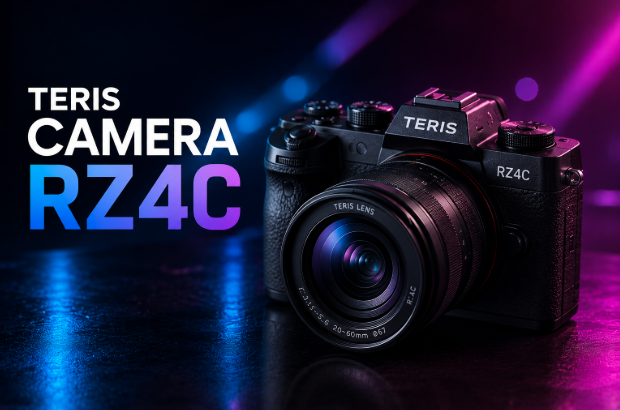
Introduction to Teris Camera RZ4C
Modern transportation systems rely heavily on advanced monitoring technologies to improve safety, traffic management, and operational efficiency. One such technology is the Teris Camera RZ4C, a specialized camera solution designed for traffic monitoring and intelligent transportation applications. Unlike traditional consumer cameras, this device is engineered to capture and process traffic-related data in real time.
The Teris Camera RZ4C has gained attention among transportation agencies, city planners, and infrastructure managers because of its ability to provide reliable monitoring in challenging outdoor environments. Its robust design, advanced imaging capabilities, and intelligent detection functions make it a valuable asset for modern traffic management systems.
This guide explores the features, specifications, applications, installation process, advantages, and limitations of the Teris Camera RZ4C in detail.
What Is the Teris Camera RZ4C?
The Teris Camera RZ4C is a professional-grade traffic detection and monitoring camera developed to support transportation infrastructure projects. It is primarily used to observe vehicle movement, monitor traffic flow, and collect valuable roadway data.
Unlike standard surveillance cameras that focus mainly on recording video, the Teris Camera RZ4C is designed to perform advanced detection tasks. It can identify vehicle presence, analyze traffic patterns, and assist transportation systems in making informed operational decisions.
Its ability to operate continuously in various weather conditions makes it suitable for highways, urban intersections, tunnels, bridges, and smart city environments.
Key Features of Teris Camera RZ4C
The popularity of the Teris Camera RZ4C comes from its combination of hardware durability and intelligent monitoring capabilities.
High-Quality Imaging
One of the most important features of the camera is its ability to capture clear images under different lighting conditions. High-quality imaging ensures accurate traffic detection and reliable monitoring throughout the day.
Advanced Detection Technology
The camera is equipped with advanced vehicle detection capabilities that help identify traffic volumes, vehicle presence, and movement patterns. This information can be used to improve traffic signal timing and roadway management.
Wide Field of View
A wide field of view allows the camera to monitor multiple lanes simultaneously. This capability reduces the number of cameras required for large intersections and transportation corridors.
Weather-Resistant Construction
Outdoor monitoring equipment must withstand harsh environmental conditions. The Teris Camera RZ4C is built with durable materials that provide protection against rain, dust, heat, cold, and other environmental factors.
Day and Night Performance
The camera performs effectively during daylight hours and nighttime conditions. Its imaging technology helps maintain visibility even when lighting conditions change.
Real-Time Monitoring
Real-time monitoring capabilities allow transportation authorities to receive immediate information about roadway conditions, helping them respond quickly to incidents and congestion.
Technical Specifications Overview
The exact specifications may vary depending on deployment requirements, but the following table provides a general overview of the capabilities commonly associated with the Teris Camera RZ4C.
| Specification | Details |
|---|---|
| Camera Type | Traffic Detection Camera |
| Primary Use | Traffic Monitoring |
| Installation Location | Outdoor Infrastructure |
| Monitoring Capability | Multi-Lane Detection |
| Weather Resistance | High |
| Day/Night Operation | Supported |
| Connectivity | Traffic Management Systems |
| Mounting Options | Pole and Structure Mounting |
| Operational Environment | Highways, Intersections, Tunnels |
These specifications demonstrate why the camera is suitable for demanding transportation applications.
Design and Build Quality
The design of the Teris Camera RZ4C focuses on long-term reliability and performance. Transportation infrastructure projects often require equipment that can operate continuously for many years without significant degradation.
The camera housing is engineered to resist environmental damage while protecting sensitive internal components. Features such as weatherproof enclosures, protective shields, and durable mounting mechanisms contribute to its longevity.
The compact yet rugged design also simplifies installation while maintaining excellent performance under challenging conditions.
How the Teris Camera RZ4C Works
Understanding how the Teris Camera RZ4C operates helps explain its value in traffic management systems.
The camera continuously captures video footage of roadways and transportation corridors. Advanced image-processing algorithms analyze this footage to detect vehicles and monitor traffic conditions.
The system can identify:
- Vehicle presence
- Lane occupancy
- Traffic flow patterns
- Congestion levels
- Traffic movement trends
The collected information is then transmitted to traffic management centers or intelligent transportation systems where operators can review and utilize the data.
By automating traffic detection, the Teris Camera RZ4C reduces the need for manual observation and improves operational efficiency.
Installation Guide
Proper installation plays a critical role in achieving optimal camera performance.
Pre-Installation Requirements
Before installation, project teams must evaluate the monitoring area and determine the ideal camera placement. Factors such as traffic volume, lane configuration, and environmental conditions should be considered.
Choosing the Right Location
The camera should be positioned to provide a clear and unobstructed view of the roadway. Elevated locations often produce the best results because they allow broader visibility.
Mounting the Camera
The Teris Camera RZ4C is typically mounted on poles, signal structures, or dedicated support systems. Secure mounting ensures stable image capture and minimizes vibration.
Wiring and Power Setup
Electrical connections should follow manufacturer recommendations. Proper power supply and communication connections are essential for reliable operation.
Initial Configuration
Once installed, the camera must be configured according to site-specific requirements. This process includes adjusting detection zones, optimizing image settings, and integrating the camera with monitoring systems.
Software and Configuration
Software integration is an important aspect of the Teris Camera RZ4C ecosystem.
The camera can communicate with traffic management platforms that provide operators with detailed traffic information. Through software interfaces, users can:
- Configure detection parameters
- Adjust camera settings
- Monitor performance
- Review traffic data
- Generate reports
User-friendly software tools simplify management and help organizations maximize the value of their monitoring systems.
Applications of Teris Camera RZ4C
The Teris Camera RZ4C is used across various transportation environments.
Traffic Monitoring
Traffic agencies use the camera to monitor vehicle movement and identify congestion hotspots. Accurate monitoring supports more efficient traffic operations.
Highway Surveillance
Highways experience significant traffic volumes. The camera helps transportation authorities track conditions and respond to incidents quickly.
Intersection Management
At busy intersections, the camera assists with vehicle detection and traffic signal optimization, improving overall traffic flow.
Tunnel Monitoring
Tunnels require continuous observation to ensure safety. The camera provides reliable monitoring even in challenging environments.
Smart City Projects
Many smart city initiatives incorporate intelligent transportation technologies. The Teris Camera RZ4C contributes by providing valuable traffic data for urban planning and management.
Transportation Infrastructure
Bridges, roadways, and transit corridors benefit from continuous monitoring and performance analysis enabled by advanced camera systems.
Performance Analysis
Performance is one of the strongest aspects of the Teris Camera RZ4C.
The camera delivers reliable detection accuracy across a wide range of environmental conditions. Advanced image-processing capabilities help maintain performance despite variations in lighting and weather.
Key performance benefits include:
- Accurate vehicle detection
- Consistent image quality
- Reliable operation
- Reduced false detections
- Efficient traffic monitoring
These strengths make the system suitable for critical transportation applications where accuracy and reliability are essential.
Advantages of Using Teris Camera RZ4C
Organizations implementing the Teris Camera RZ4C often experience numerous benefits.
First, the camera improves traffic monitoring efficiency by automating vehicle detection and data collection. This reduces reliance on manual observation.
Second, improved monitoring contributes to safer roadways. Transportation agencies can identify incidents faster and respond more effectively.
Third, the camera supports data-driven decision-making. Accurate traffic information helps planners optimize roadway operations and infrastructure investments.
Finally, the scalable design allows deployment across small intersections and large transportation networks alike.
Limitations and Considerations
Although the Teris Camera RZ4C offers many advantages, users should also consider certain limitations.
Installation costs may be higher than those associated with basic surveillance cameras. Professional installation and system integration may also be required.
Environmental challenges such as extreme weather, heavy fog, or physical obstructions can affect performance if not properly addressed during deployment planning.
Regular maintenance is also necessary to ensure long-term reliability and accuracy.
Comparison with Similar Camera Solutions
The following comparison highlights how the Teris Camera RZ4C differs from other monitoring technologies.
| Feature | Teris Camera RZ4C | Standard Traffic Camera | Smart Detection Camera |
| Detection Accuracy | High | Moderate | High |
| Traffic Analytics | Advanced | Limited | Advanced |
| Weather Resistance | Excellent | Good | Excellent |
| Multi-Lane Monitoring | Yes | Limited | Yes |
| Infrastructure Integration | Strong | Basic | Strong |
| Long-Term Reliability | High | Moderate | High |
This comparison demonstrates why many transportation agencies prefer advanced detection cameras over conventional monitoring systems.
Maintenance and Troubleshooting
Routine maintenance is essential for maximizing camera lifespan and performance.
Routine Maintenance Tips
Regular inspections should include cleaning the camera lens, checking mounting hardware, and verifying communication connections.
Common Issues
Potential issues may include image quality degradation, communication interruptions, or environmental damage.
Troubleshooting Guide
If image quality decreases, operators should inspect the lens and housing for dirt or obstructions. Connectivity issues may require verification of network and power connections.
Performance Optimization Tips
Periodic software updates, calibration adjustments, and preventive maintenance help maintain optimal performance over time.
Best Practices for Maximum Performance
Organizations can improve results by following several best practices.
The camera should be installed at appropriate heights and angles to maximize roadway visibility. Regular inspections help identify potential problems before they impact performance.
Additionally, keeping software updated and reviewing detection settings periodically ensures continued accuracy and efficiency.
These proactive measures contribute significantly to long-term operational success.
Future Developments and Technology Trends
The future of intelligent transportation systems continues to evolve rapidly.
Emerging technologies such as artificial intelligence, machine learning, and predictive analytics are expected to enhance camera-based traffic monitoring systems. Future versions of systems similar to the Teris Camera RZ4C may provide even greater detection accuracy and more sophisticated traffic analysis capabilities.
Integration with connected vehicle networks and smart city platforms will likely expand the role of advanced monitoring cameras in transportation management.
Pros and Cons
Pros
- High detection accuracy
- Durable outdoor construction
- Reliable day and night performance
- Supports intelligent transportation systems
- Effective multi-lane monitoring
- Strong weather resistance
Cons
- Higher initial deployment costs
- Professional installation may be required
- Regular maintenance is necessary
- Performance can be influenced by environmental conditions
Is the Teris Camera RZ4C Worth It?
For transportation agencies, infrastructure operators, and smart city planners, the Teris Camera RZ4C represents a valuable investment. Its combination of advanced detection technology, durable construction, and reliable performance makes it well suited for demanding traffic-monitoring applications.
While the initial cost may be higher than basic surveillance solutions, the long-term benefits often justify the investment. Improved traffic management, enhanced safety, and better operational efficiency contribute significant value over time.
Organizations seeking a dependable traffic detection solution will likely find that the Teris Camera RZ4C meets their monitoring requirements effectively.
Frequently Asked Questions
What is the Teris Camera RZ4C used for?
The Teris Camera RZ4C is primarily used for traffic monitoring, vehicle detection, and transportation management applications.
Can the camera operate in harsh weather conditions?
Yes, the camera is designed for outdoor deployment and can function in various weather conditions.
Is professional installation necessary?
Professional installation is generally recommended to ensure proper placement and configuration.
Does the camera support real-time monitoring?
Yes, real-time monitoring is one of its key capabilities.
What industries commonly use this camera?
Transportation agencies, highway authorities, municipalities, and smart city projects frequently utilize this technology.
How often should maintenance be performed?
Routine inspections should be conducted regularly to maintain optimal performance.
Is the Teris Camera RZ4C suitable for smart city projects?
Yes, it is widely applicable to smart transportation and smart city initiatives.
Conclusion
The Teris Camera RZ4C is a specialized traffic-monitoring solution designed to support modern transportation infrastructure. Its advanced detection capabilities, durable design, and reliable performance make it a strong choice for organizations seeking efficient traffic management tools.
From highways and intersections to tunnels and smart city projects, the camera delivers valuable data that supports safety, operational efficiency, and informed decision-making. As intelligent transportation systems continue to evolve, solutions like the Teris Camera RZ4C will remain essential components of modern infrastructure management.
Related Articles
Specialized Technology Resources: History, Solar Innovations, and Lasting Industry Impact
Tech Trends Gfxprojectality: The Future of Digital Innovation and Creative Technology
OMSCS GPU: Complete Guide to Georgia Tech’s GPU Hardware and Software Course
Droven.io Technology Blog: Exploring AI, Innovation, and Modern Technology Trends